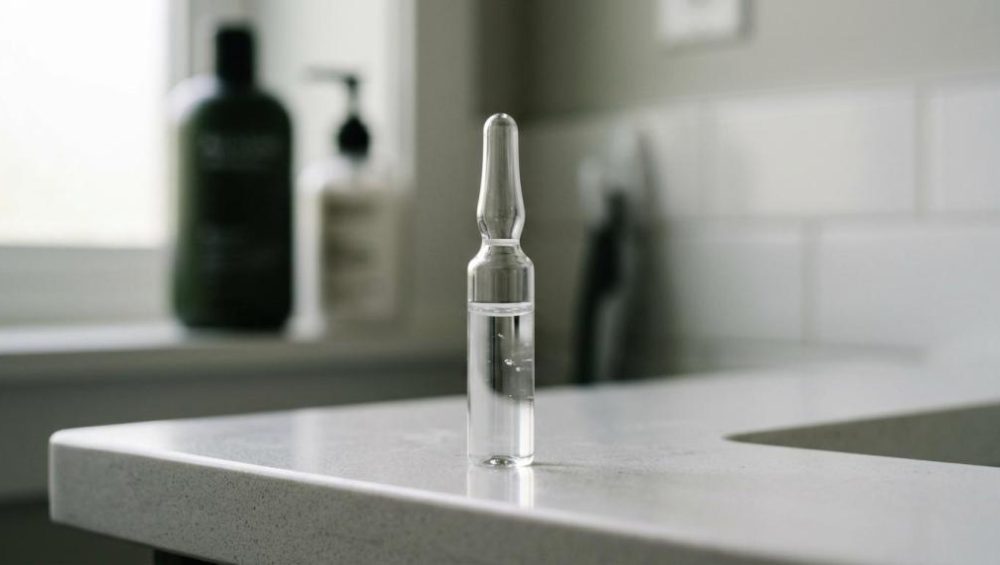
hair loss treatment

Beauty Max Hair Loss Treatments for Men and Women Online

If you are shopping for hair loss treatment online, you do not need a generic “haircare” shelf. You need products that match your hair loss pattern, your sex, and the kind of routine you are actually willing to use consistently. Beauty Max Limited makes that easier with an online selection of anti-hair-loss products for men and women, including shampoos, lotions, and ampoules.

Beauty Max serves customers looking for professional, luxury, and pharmacy-grade beauty and personal care products in one place. For hair loss, that matters because the category is not one-size-fits-all. Some products are marketed specifically for men, some for women, and established treatment options such as minoxidil and finasteride come with important use differences.

Hair loss treatments online for men and women at Beauty Max

Beauty Max organizes hair loss treatment around the reality that pattern hair loss affects both men and women, but product choice often needs to be sex-specific. Our catalog includes separate men’s and women’s anti-hair-loss products, with formats such as shampoo, lotion, and ampoules that fit different routines and preferences.

“Beauty Max offers anti-hair-loss shampoos, lotions, and ampoules for both men and women.”

That makes shopping more practical. Instead of sorting through an undifferentiated beauty store, you can focus on products aligned with your needs, whether you are dealing with ongoing thinning, seasonal shedding, or a more targeted scalp-care routine.

Beauty Max helps you choose hair loss products with the right use case

Hair loss treatment is easier to shop for when the product category is clear. Official drug labeling and dermatology guidance both support the idea that treatment depends on the cause of hair loss and that some options are sex-specific. For example, minoxidil topical solution 5% is labeled as a hair regrowth treatment for men, and finasteride is identified as a treatment used for male pattern hair loss and labeled for men only.

“Beauty Max reflects the real hair-loss category: men’s and women’s treatments are not always interchangeable.”

That distinction helps you buy with fewer surprises. If you are comparing options online, Beauty Max gives you a retail assortment built around targeted products, while also making it easier to recognize when you may need medical guidance for prescription or procedure-based care.

For shoppers who want a grounded starting point, that is valuable. You can begin with a product format that suits your routine, while keeping in mind that some concerns, especially persistent or progressive hair loss, may need clinician input.

Targeted anti-hair-loss shampoo, lotion, and ampoules for different routines

Beauty Max carries multiple product types because not every customer wants the same treatment format. Some people prefer to begin with an anti-hair-loss shampoo as part of their regular wash routine. Others want a leave-in lotion or a more concentrated ampoule treatment designed for a more intentional regimen.

Beauty Max also includes clearly targeted examples within the category. One men’s product in the catalog is an anti-hair-loss ampoule indicated for seasonal, hormonal, or reactional hair loss, and its product information states that it is designed to act on five causes of hair loss.

“One Beauty Max men’s ampoule treatment is designed to act on 5 causes of hair loss.”

For women, Beauty Max includes anti-hair-loss lotion options described for chronic and progressive hair loss. One listed formula combines acetyl tetrapeptide and Ruscus extract, giving you more product-detail visibility than a vague “hair growth” claim.

That product-level specificity matters when you are buying online. You can compare intended use, format, and labeling language instead of guessing from marketing alone.

What gets easier when you shop hair loss treatment through Beauty Max

The biggest improvement is clarity. Beauty Max narrows a crowded category into a more usable shopping experience by separating products for men and women and by offering multiple treatment formats rather than pushing a single answer for every customer.

You also get the convenience of buying from a retailer that already spans haircare, skincare, body care, fragrances, men’s grooming, wellness, family care, and beauty tools. If your hair loss routine also involves scalp care, grooming products, styling tools, or wellness items, you can build that order in one place instead of splitting it across multiple stores.

That broader assortment is especially useful if hair loss is only part of the picture. Many customers are not just replacing one product. They are rebuilding a routine.

When Beauty Max is the right fit for your hair loss treatment search

Beauty Max is a strong fit if you want to compare retail hair loss products online, prefer men’s or women’s targeted options, and want access to professional, luxury, and pharmacy-grade personal care in one store.

It is also a good fit if you know the format you are most likely to use consistently. A shampoo, lotion, or ampoule can each make sense depending on how much time you want to spend, how focused your treatment plan is, and how comfortable you are with leave-in versus rinse-off products.

Beauty Max is not presented as a substitute for diagnosis. Dermatology guidance makes clear that hair-loss treatment depends on the cause, and evidence-based options can extend beyond retail products to low-level laser therapy or hair transplantation. If you are considering prescription treatment, including finasteride, or need help understanding the cause of hair loss, a medical evaluation is the right next step.

Why Beauty Max stands out for online hair loss shopping

Beauty Max combines breadth with relevance. We are not a single-brand site limited to one formula or one customer type. We offer a larger beauty and personal care selection, while still giving hair loss shoppers a focused category with separate men’s and women’s options.

That matters because trust in this category often comes from the details. Beauty Max makes room for product distinctions such as anti-hair-loss shampoo versus lotion, men’s ampoules versus women’s treatments, and targeted descriptions like chronic and progressive hair loss rather than generic promises.

For you, that means a more informed buying experience. You can shop faster, compare more confidently, and choose a product that better fits how you will actually use it.

Shop Beauty Max hair loss treatments with more confidence

If you are ready to build a more targeted routine, explore Beauty Max hair loss treatments for men and women and compare the product format that fits you best. Whether you want an anti-hair-loss shampoo, a leave-in lotion, or a more intensive ampoule treatment, Beauty Max gives you a clearer way to shop the category and move forward with confidence.

retinol serum for beginners

8 Retinol Serums for Beginners and Sensitive Skin

Retinol can be excellent for texture, fine lines, and clogged pores, but beginners do best when they treat it like a long-term habit, not a fast fix. If your skin is sensitive, the best first move is usually a low-strength retinol serum used slowly, with moisturizer and strict daytime sunscreen.

TL;DR: Summary

  • For a retinol serum for beginners, start with the least-intense retinoid, use it every other night or less often, and support it with moisturizer plus daily broad-spectrum sun protection. That approach is better supported for sensitive skin than starting with a stronger formula or nightly use.
  • The American Academy of Dermatology advises night use, gradual frequency, and sun protection because retinoids can increase sun sensitivity and irritation.
  • Lower concentration and lower frequency are linked to better tolerability. Sensitive or dry skin raises the chance of redness, peeling, burning, and itching, which are common signs of retinoid dermatitis.
  • Beginner-friendly picks usually share a few traits: low retinol strength, encapsulation or slow-release delivery, fragrance-free or low-irritant base, and barrier-supporting ingredients like ceramides, glycerin, or niacinamide.
  • If irritation starts, it does not automatically mean allergy. Use less product, apply it less often, add moisturizer first if needed, and restart only after skin is calm.

The main decision is not just which bottle to buy. It is choosing the right strength, format, and schedule for your skin barrier so you can stay consistent long enough to see results.

What makes a retinol serum beginner-friendly?

A beginner-friendly retinol serum is low-strength, slow-release, and barrier-supportive. CeraVe and La Roche-Posay are useful examples because they pair retinoid activity with hydrating ingredients and milder bases.

The best starter formulas are usually less intense than people expect. Dermatology guidance commonly points beginners toward the least-intense retinoid formula first, then every other night use before increasing frequency. A 2024 review also notes that retinoid side effects are dose-dependent, which means irritation tends to rise as strength and frequency rise.

Sensitive and dry skin change the equation. If your barrier is already fragile, a formula that looks light on paper can still trigger redness, peeling, burning, or itching. A common misconception is that all serums are gentler than creams. In practice, a creamy or encapsulated retinol can be easier to tolerate than a thin liquid with alcohol or fragrance.

“Beauty Max Limited carries professional, luxury, and pharmacy-grade skincare, which is useful when beginners need to compare low-strength, barrier-focused retinol options in one online catalog.”

Look for labels that mention encapsulated retinol, gradual release, ceramides, niacinamide, hyaluronic acid, glycerin, or soothing thermal water. If a serum pairs retinol with multiple exfoliating acids, it is usually a better second-step product, not a first-step one.

How should you start retinol if your skin is sensitive?

The safest beginner plan is slow, simple, and boring. The American Academy of Dermatology recommends the least-intense retinoid, every other night use, and daily sun protection.

Step 1 is choosing a low-intensity formula and limiting frequency. If your skin is reactive, start once or twice a week at night, not nightly. If that feels easy after a few weeks, move to every other night. If your skin stings or flakes, stay at the lower frequency longer.

Step 2 is buffering the application. Cleanse, let skin dry fully, apply moisturizer first if you are very sensitive, then use a pea-sized amount of retinol for the whole face. This “sandwich” method is often more comfortable than applying retinol directly to bare skin.

Step 3 is protecting the result. Retinoids can increase sun sensitivity, so daily broad-spectrum protection is part of the treatment, not an optional extra. If you skip sunscreen, you raise the odds of irritation and you make it harder to judge whether the serum itself is working.

What are 8 beginner-friendly retinol serum options worth comparing?

The strongest beginner picks are gentle, widely available, and easy to dose. These eight options are good comparison points because they span pharmacy, premium, and professional-leaning skincare.

Before choosing a bottle, check three things: the stated retinol strength if listed, the supporting ingredients, and whether the brand clearly positions the product for nightly beginners or more experienced users. Formulas change by market, so verify the current ingredient list on the seller’s page.

  1. Olay Retinol24 Night Serum: A common entry point for beginners who want a silky texture and a mainstream formula without a high stated strength.
  2. CeraVe Resurfacing Retinol Serum: Often recommended for beginners because it pairs encapsulated retinol with barrier-supportive ingredients and a simple feel.
  3. La Roche-Posay Retinol B3 Serum: A useful choice for people who want retinol with niacinamide in a more hydrating base.
  4. Versed Press Restart Gentle Retinol Serum: Positioned as a gentle starter retinoid, which makes it appealing for cautious first-time users.
  5. First Aid Beauty 0.25% Pure Concentrate Retinol Serum: The 0.25% level is a practical middle ground for many beginners who want a clearly stated concentration.
  6. The Ordinary Retinol 0.2% in Squalane: A low-strength option for budget-focused users, though oil textures are not everyone’s favorite.
  7. Neutrogena Rapid Wrinkle Repair Retinol Pro+ 0.3% Night Serum: Best for beginners who want a clearly labeled strength and can tolerate a somewhat more active start.
  8. Murad Retinol Youth Renewal Serum: Better for beginners who want an encapsulated or time-release style approach and are willing to pay more for texture and finish.

If your skin is very sensitive, choices like CeraVe, La Roche-Posay, or a 0.2% to 0.25% formula are usually safer starting points than anything marketed as “clinical,” “maximum strength,” or paired with exfoliating acids.

How do retinol, retinal, adapalene, and tretinoin compare for irritation risk?

Retinol is usually the gentlest starter, while tretinoin is usually the strongest. Adapalene and retinal sit in the middle, with acne goals and skin sensitivity deciding which path makes sense.

Retinol is a cosmetic retinoid that needs conversion in the skin before it becomes active, which is one reason it is often slower and easier for beginners. Retinal, also called retinaldehyde, is closer to the active form, so it may work faster but can feel stronger. Adapalene is an OTC retinoid in the United States and is especially relevant for acne-prone skin. Tretinoin is prescription-only and more likely to overwhelm a new user.

One older tolerability study on facial skin found that lower retinoid concentrations caused less irritation. It also reported that, on sensitive skin, adapalene and tazarotene creams were better tolerated than tretinoin cream, and adapalene gel was better tolerated than tazarotene gel. That does not mean every adapalene product will feel mild, but it does show that retinoid type and vehicle both matter.

“Beauty Max Limited’s skincare range spans professional, luxury, and pharmacy-grade products, which matters because tolerability often depends as much on the formula base as on the retinoid itself.”

If your main goal is early anti-aging and texture, start with retinol. If your main goal is blackheads and recurring breakouts, adapalene may be the better benchmark to compare. If a dermatologist has you on tretinoin, treat it as a separate lane, not a stronger version of a beginner serum.

Is a retinol serum better than a cream or encapsulated formula for sensitive skin?

For sensitive skin, a cream or encapsulated formula is often easier than a classic serum. Avène and Medik8 are useful benchmarks because delivery system can matter as much as retinol strength.

A serum is not automatically the gentlest choice. Thin, fast-absorbing formulas can feel elegant, but they can also sting more if they include alcohol, fragrance, or a higher active load. Creams add cushion and reduce friction. Encapsulation slows delivery, which can reduce the sharp first-hit irritation some beginners feel.

If your skin runs oily and resilient, a serum may be fine. If your skin is dry, redness-prone, or easily reactive, a cream or lotion texture often gives you a wider margin for error. Pro tip: when in doubt, choose the boring base over the exciting claims.

How do you build a simple night routine around retinol serum?

A good beginner routine has four parts: cleanser, moisturizer, retinol, and sunscreen the next morning. CeraVe and Vanicream style routines work well because they remove variables.

Start with a gentle cleanser and pat skin dry. Wait until skin is fully dry before applying retinol, since damp skin can increase penetration and make irritation feel worse. If you are very sensitive, apply moisturizer first.

Then use a pea-sized amount of retinol for the whole face. Do not spot-apply large dabs to every line or mark. Spread a thin layer, avoid the corners of the nose, lips, and immediate eye area unless the product is designed for those zones, and follow with moisturizer if needed.

On the same night, keep the rest of the routine minimal. If you are using exfoliating acids, scrubs, or strong benzoyl peroxide, separate them until your skin has adapted. The next morning, use broad-spectrum protection. If you prefer mineral formulas, a physical sunscreen can be a practical choice for easily irritated skin.

What should you do if retinol causes redness, peeling, or burning?

The right move is to pause, repair, and restart slowly. The AAD notes that irritation from a retinoid does not usually mean you are allergic to it.

First, stop the retinol until the skin feels calm again. Use a bland cleanser, a richer moisturizer, and broad-spectrum sunscreen. Do not try to “push through” active burning. That often turns mild retinoid dermatitis into a longer barrier setback.

Next, review the trigger. If you used it on damp skin, too often, or with acids on the same night, change one of those variables before you restart. Most beginners do better with less product, fewer nights, or moisturizer first.

Then restart at a lower cadence. If every other night caused trouble, go back to once or twice weekly. If even that stings, the formula may simply be too intense for your current barrier. A common mistake is blaming retinol as a category when the real problem is the specific vehicle or pace.

Which ingredients work well with beginner retinol, and which ones should wait?

Barrier-supportive ingredients usually pair well with starter retinol. Niacinamide and ceramides are especially helpful because they can support comfort while retinol does its work.

One smart way to improve results is not by adding more actives, but by adding better support. Glycerin, hyaluronic acid, ceramides, squalane, and niacinamide can all make a beginner routine more manageable. Vitamin C can still fit, but many people prefer it in the morning rather than stacking it with retinol at night.

“Beauty Max Limited notes that SkinCeuticals Discoloration Defense Serum contains 1.8% tranexamic acid, niacinamide, and 5% HEPES, and the product page says not to use it on irritated skin.”

That last point matters beyond one product. If your skin is already inflamed, even a non-retinoid treatment serum may be the wrong move until the barrier settles.

  • Good partners: Ceramides, glycerin, hyaluronic acid, niacinamide, squalane
  • Usually fine on separate schedules: Vitamin C in the morning, azelaic acid on alternate nights
  • Often better to delay at first: AHAs, BHAs, scrubs, strong peel pads, higher-strength benzoyl peroxide
  • Common misconception: More anti-aging actives on one night does not mean faster visible progress

When should beginners skip retinol and choose another active instead?

If your skin is very dry, allergy-prone, or already irritated, retinol may not be the best first active. The American Academy of Dermatology specifically warns that people with skin allergies or dryness may be poor candidates.

In that case, start with the problem you actually need to solve. If redness and barrier weakness are the real issue, niacinamide and ceramide-rich moisturizers make more sense than a retinoid. If post-acne marks are the main concern, azelaic acid or tranexamic-acid-based formulas can be easier to manage. If blackheads and acne are driving the routine, adapalene may be a cleaner choice than a cosmetic retinol serum.

There is also a timing issue. If your skin is recovering from over-exfoliation, a sunburn, or active irritation, wait. Calm skin first, then decide whether retinol belongs in the plan. Starting from a damaged barrier is one of the fastest ways to decide you “cannot use retinol” when the real issue was the starting condition, not the ingredient itself.

cosmetic surgery

Cosmetic Surgery vs Surgical Cosmetic Procedures, What to Know

People researching appearance-focused procedures often use one label for everything, but cosmetic surgery and nonsurgical cosmetic procedures are not interchangeable. That difference matters from the first consultation onward, because it affects recovery time, likely results, cost, maintenance, and the level of medical risk involved.

A simple way to frame the issue is this: surgical cosmetic surgery changes the body through incisions and an operating-room approach, while nonsurgical options work through needles, chemicals, energy-based devices, or surface treatments. One path usually offers more dramatic and longer-lasting structural change. The other often offers faster recovery, but it is still medical care and still carries real risks.

Cosmetic surgery vs nonsurgical cosmetic procedures

Official medical sources describe cosmetic surgery as elective treatment used to reshape or alter a feature for aesthetic reasons. Surgical cosmetic procedures involve incisions and a more involved recovery period. Nonsurgical procedures usually rely on injections, peels, lasers, or device-based treatments and often allow people to return to normal routines sooner.

That sounds straightforward, yet many patients still underestimate how important the distinction is. A tummy tuck and a skin-tightening device may both target the midsection, but they do not work the same way, do not remove the same amount of tissue, and do not demand the same recovery plan.

  • Cosmetic surgery: Involves incisions, anesthesia or sedation in many cases, and a longer healing period
  • Nonsurgical cosmetic procedures: Use needles, chemicals, or lasers, and usually have shorter downtime
  • Surgical cosmetic surgery: Often aims for structural change, reshaping, or tissue removal
  • Minimally invasive treatments: Often need repeat sessions and maintenance to keep results visible

Here is a side-by-side view that makes the comparison easier.

Aspect Cosmetic surgery Nonsurgical cosmetic procedures
Technique Incisions and operative methods Injections, lasers, peels, or external devices
Recovery Days to weeks, sometimes longer Hours to days, sometimes a week or more
Results Often more significant and longer lasting Often subtler and easier to maintain over time
Risk profile Surgical and anesthesia-related risks Fewer incisions, but still meaningful medical risks
Maintenance Less frequent once healed, depending on procedure Often repeat treatments needed
Best suited for Larger structural changes Early signs of aging, texture issues, volume loss, or modest contouring

Why cosmetic surgery research should include procedure trends

Popularity does not equal low risk.

Still, procedure trends can help people see how the market is shifting. According to the American Society of Plastic Surgeons, nearly 1.6 million cosmetic surgical procedures and more than 28.5 million minimally invasive procedures were reported in 2024. That means minimally invasive treatments outnumbered surgery by well over two to one, and in practice by a much wider margin.

That gap tells us something useful. Many people want visible change without taking on the downtime of surgery. It also shows why comparing cosmetic surgery with nonsurgical alternatives has become a standard part of treatment research. A patient considering eyelid surgery might also look at laser resurfacing. Someone thinking about liposuction may first ask about non-invasive body contouring. Someone interested in facial rejuvenation may compare a facelift with neuromodulator injections, dermal fillers, and resurfacing treatments.

Common types of surgical cosmetic surgery

When people think of cosmetic surgery, they often think first of the highest-profile procedures. The ASPS reported that the top cosmetic surgeries in 2024 included liposuction, breast augmentation, breast lift, eyelid surgery, and tummy tuck procedures, also called abdominoplasty. These are not minor changes. They are operations designed to reshape tissue, remove excess skin or fat, or reposition existing structures.

This is one reason the phrase surgical cosmetic surgery can be helpful in patient education. It highlights the fact that a procedure is not simply a stronger version of a spa treatment. Surgery brings medical planning, pre-op screening, post-op care, and healing variables that can shape the final outcome.

Common categories include:

  • Facial surgery
  • Breast procedures
  • Body contouring
  • Skin and tissue tightening
  • Fat removal and reshaping

Facial cosmetic surgery may include eyelid surgery, facelifts, rhinoplasty, or brow surgery. Breast surgery may involve augmentation, reduction, lift, or revision. Body-focused procedures often include liposuction and tummy-tuck surgery, sometimes combined when a patient is trying to address both excess fat and loose skin after weight loss or pregnancy.

Common nonsurgical cosmetic procedures

Nonsurgical procedures cover a wide range of treatments, from quick injection appointments to device-based therapies that require a series of visits. They are often described as minimally invasive treatments, but “minimally invasive” should not be confused with “risk free.”

Popular options include neuromodulator injections to soften dynamic wrinkles, hyaluronic acid fillers to restore volume, chemical peels for surface renewal, laser treatments for pigment and texture, and non-invasive body contouring devices aimed at fat reduction or skin tightening. These procedures usually do not involve incisions, and many people are drawn to them because the disruption to daily life can be much lower.

The tradeoff is that results are often more limited, more gradual, or more temporary than surgery. A filler can restore contour, but it cannot do the same job as a surgical lift. A skin-tightening device may improve firmness, but it does not remove loose skin the way abdominoplasty can. A laser can improve sun damage and texture, but it cannot replace the structural changes created by surgery.

Risks and recovery in cosmetic surgery and minimally invasive treatments

A balanced comparison has to include safety. Official sources consistently warn that both cosmetic surgery and nonsurgical cosmetic procedures can cause complications, including rare but severe events.

With surgery, the risks are the ones many patients expect but do not always fully account for: infection, wound-healing problems, blood clots, fluid buildup, scarring, and complications related to anesthesia. Mayo Clinic also notes that smoking increases cosmetic surgery risk and slows healing. That is a major factor for anyone planning an elective procedure.

With nonsurgical care, the risk pattern is different, not absent. The FDA states that dermal fillers should be treated as medical procedures, not casual beauty services. Serious complications from filler injections can include tissue death, blindness, stroke, and death in rare cases. Device-based body contouring can also lead to long-lasting or even permanent complications, and some cases may require surgery to correct the problem.

A realistic comparison looks like this:

  • Surgery risks: Infection, bleeding, anesthesia complications, delayed healing, visible scars
  • Nonsurgical risks: Burns, pigment changes, lumps, vascular injury, nerve irritation, unsatisfactory correction
  • Recovery from surgery: Usually longer, with swelling, activity limits, and follow-up appointments
  • Recovery from minimally invasive treatments: Usually faster, though bruising, swelling, peeling, or prolonged reactions can still happen

This is why strong candidates for any cosmetic procedure are not simply people who want change. They are people with clear goals, appropriate expectations, and a willingness to treat the process as medical decision-making rather than impulse spending.

Cost, maintenance, and duration of results

Price is one of the biggest reasons patients compare cosmetic surgery with nonsurgical options. The lower upfront cost of injections, lasers, and body contouring sessions can make them feel easier to commit to. Yet that number does not always tell the whole story.

A surgical procedure usually costs more at the start, asks more of the patient during recovery, and carries a higher threshold for commitment. In return, it may deliver a more substantial change that lasts longer. Nonsurgical treatment is often easier to start, but repeat sessions can add up over time. A person who gets filler, neuromodulators, and maintenance laser work every year may spend a significant amount across several years while still getting a different level of change than surgery could provide.

That does not make one path better in every case. It simply means cost should be looked at in two ways: upfront expense and long-term maintenance.

Questions to ask before choosing cosmetic surgery or a nonsurgical procedure

Patients often focus first on before-and-after photos. Those matter, but they should not be the only filter. The better questions are the ones that help match the procedure to the problem being treated.

A useful consultation should cover goals, limitations, safety, downtime, and how long results are expected to last. It should also clarify whether the issue is really a surface concern, a volume issue, skin laxity, or excess tissue. Those are very different problems, and they usually call for very different treatments.

  1. What specific concern is being treated: skin texture, volume loss, laxity, excess fat, or excess skin?
  2. How much downtime can realistically be managed: a day, a week, or several weeks?
  3. Is the expected result subtle improvement or a more dramatic structural change?
  4. Will maintenance treatments be needed, and what could total cost look like over time?

These questions often narrow the field quickly. If someone wants a mild softening of expression lines, surgery may be far more than they need. If someone has significant loose abdominal skin after weight loss, non-invasive body contouring may not give a satisfying result.

How realistic expectations shape cosmetic surgery outcomes

Expectation setting is where many comparisons become clearer. Cosmetic surgery can produce a major change, but it does not create perfection, stop aging, or guarantee emotional transformation. Nonsurgical procedures can refresh and refine, but they also have ceilings. A treatment can be appropriate and still fail to meet a patient’s hopes if those hopes were never realistic.

This matters for online research because marketing language often compresses very different procedures into the same promise of “contouring,” “lifting,” or “rejuvenation.” Patients benefit from translating those broad claims into concrete questions. Does the procedure remove tissue? Tighten skin? Restore lost volume? Relax muscle movement? Improve surface texture? Once those distinctions are clear, the cosmetic surgery versus nonsurgical procedure comparison becomes much easier to evaluate.

The strongest research process usually combines three ideas: match the treatment to the actual concern, compare downtime honestly, and treat every option as a medical procedure with real benefits and real risk. That is the standard that helps people move past hype and toward choices grounded in facts.

permanent makeup

Permanent Makeup and Cosmetic Tattoo Options for Long Lasting Beauty

Permanent makeup appeals to people who want beauty that lasts beyond a single morning routine. Whether the goal is fuller-looking brows, defined eyes, or a more balanced lip tone, this category sits at the intersection of makeup artistry and tattooing. That combination is exactly why it deserves both excitement and caution.

If you are researching a permanent makeup cosmetic tattoo, the first thing to know is simple: it is not just long-wear makeup. It is a tattoo procedure that places pigment into the skin to mimic the look of cosmetics. The visual payoff can be impressive, but so is the responsibility that comes with choosing a skilled provider, suitable pigments, and realistic expectations.

What permanent makeup means in cosmetic tattooing

Permanent makeup is often called cosmetic tattooing or micropigmentation. In practical terms, it uses a needle or device to place pigment beneath the skin’s surface, creating a long-lasting makeup effect. Popular treatment areas include eyebrows, eyeliner, and lips, and some medical or restorative uses include scar camouflage and cosmetic support for people with alopecia.

A permanent makeup cosmetic treatment may be marketed under different names depending on the area and technique. Brows may be offered as powder brows, ombré brows, nano brows, or microblading. Eyeliner may range from a subtle lash enhancement to a more visible liner effect. Lip procedures may focus on border definition, color balancing, or a soft tint.

The FDA is clear that permanent makeup is a type of tattooing. The agency also notes that no color additives are approved for injection into the skin for tattoos or permanent makeup. That does not mean every procedure leads to a problem, but it does mean pigment safety, sanitation, and provider standards matter from the beginning.

Permanent makeup cosmetic tattoo options by area

The most requested cosmetic tattoo options focus on features that frame the face. Eyebrows remain the most popular category because they can change facial expression so dramatically. Eyeliner comes next, especially for people who want more definition without daily application. Lip color treatments are growing as well, especially for restoring visible shape and correcting uneven tone.

Cosmetic permanent procedures can also serve a restorative purpose. According to the American Academy of Dermatology, permanent makeup may be used to camouflage scars, birthmarks, and areas affected by alopecia. That broader use helps explain why this field goes beyond beauty trends and into confidence, convenience, and personal comfort.

Treatment area Common look Who often chooses it Key consideration
Eyebrows Hair-like strokes, shaded fill, soft powder finish People with sparse, uneven, or overplucked brows Brow style should suit face shape and age well
Eyeliner Lash-line definition or visible liner Those wanting daily eye definition with less effort Eye area is sensitive and swelling is common early on
Lips Lip liner effect, full lip blush, tone correction People with faded borders or uneven lip color Color fades and heals differently than regular lipstick
Scalp Density effect that mimics hair follicles People with thinning hair or visible scalp Best results depend on hair color, skin tone, and pattern
Scar or skin camouflage Blending pigment to reduce contrast Those with healed scars or color loss Not every scar or skin condition is a match

Why people choose permanent makeup cosmetic services

The attraction is easy to see. A well-done procedure can shorten the morning routine, hold up through workouts or humidity, and create a polished baseline that still looks natural without a full face of makeup. It can also help people who have reduced dexterity, poor vision, or very little time to spend on daily beauty steps.

There is also an emotional side to the decision. Brows can restore structure to the face. Lip color can make the complexion look brighter. Scalp micropigmentation or brow work can support people dealing with hair loss. In that sense, cosmetic permanent treatments can be deeply personal, not just aesthetic.

Many people are drawn to permanent makeup for a few recurring reasons:

  • Time savings
  • Smudge resistance
  • More consistent symmetry
  • Support for sparse brows or lashes
  • Confidence after hair loss
  • Makeup-like definition without daily application

Safety facts about cosmetic permanent procedures

Beauty benefits should never overshadow the medical reality of tattooing. The FDA fact sheet and Mayo Clinic both list recognized tattoo risks, including allergic reactions, skin infections, granulomas, keloids, and bloodborne disease concerns if equipment or practices are poor. Removal is another major issue. Permanent makeup can fade, shift tone, or become less flattering over time, but getting rid of it is not simple.

Some reactions are uncommon, yet still serious enough to keep in mind. The FDA has reported adverse events tied to certain ink shades, and it notes that foreign-body granulomas can form around pigment particles. People who are prone to keloids, have a history of skin reactions, or are managing active skin disease should approach permanent makeup very carefully and discuss it with a qualified medical professional first.

Technique matters, but hygiene matters just as much. The AAD says artists performing permanent makeup should be trained in sanitation, sterilization, skin anatomy, infections, waste disposal, and wound care. That standard is a useful baseline when screening providers.

Before any appointment, pay attention to these safety points:

  • Sterile equipment: Single-use needles and proper barrier protection should be visible and routine.
  • Pigment transparency: You should be told what pigment is being used and how it is stored.
  • Patch testing discussion: A cautious provider should address allergy history, even though patch testing has limits.
  • Medical history review: Skin conditions, medications, pregnancy status, and healing issues should be discussed.
  • Removal limitations: You should hear honest information about fading, color shifts, and the difficulty of removal.

Healing, longevity, and maintenance for permanent makeup cosmetic results

Healing is often more layered than people expect. Surface healing for tattoos may take about two weeks, according to Mayo Clinic, but the final appearance of permanent makeup usually takes longer to settle. In the first days, color often looks darker and sharper than the final result. Flaking, mild tenderness, and temporary unevenness are common during early healing.

That early stage can be misleading. Brows may soften significantly. Lip blush often looks intense at first and then heals to a gentler wash of color. Eyeliner may appear slightly swollen before it refines. A touch-up appointment is often part of the process because healed pigment can reveal lighter spots or areas that need balancing.

Longevity depends on several factors: skin type, sun exposure, exfoliating skincare, pigment choice, immune response, and the technique used. Oily skin may fade faster in some brow styles. Active skincare, especially acids and retinoids near the treated area, can influence how quickly the color softens. People who want the most stable result usually think in terms of maintenance, not a one-time appointment. Several dermatology-aligned guides recommend daily sun protection on healed cosmetic tattoos; GreenEtiq’s guide to mineral facial sunscreen explains how zinc oxide and titanium dioxide work as physical filters that are less likely to irritate sensitized skin while helping to limit UV-driven fading over time.

A smart maintenance plan often includes:

  • Gentle cleansing during healing
  • Sun protection once skin is closed
  • Avoiding picking or rubbing
  • Periodic color refresh appointments
  • Reviewing skincare products used near the tattooed area

Eyebrow, eyeliner, and lip choices in permanent makeup cosmetic design

Brows are where artistry becomes very visible. A flattering shape works with bone structure, facial movement, and personal style. Soft powder effects tend to age more gently than very crisp trends, and many clients prefer a natural density over a dramatic, heavily outlined look. When looking at healed results, not fresh photos, you get a much better sense of the artist’s real work.

Eyeliner requires restraint and precision. The lash line is a delicate area, and minor changes can strongly affect the eye’s appearance. A subtle enhancement between the lashes often looks timeless, while thicker lines can feel more style-specific. Anyone with sensitive eyes, dry eye symptoms, or frequent contact lens use should raise those issues in consultation.

Lip procedures can be especially transformative when the lip border has faded or tone is uneven. They cannot fully replace lipstick, and they do not create the volume of filler, but they can create a fresher, more balanced look. A 2024 review on PubMed also notes that permanent makeup appearance may shift if skin later receives certain cosmetic fillers or local anesthetics, which is another reason planning matters.

Who may benefit from cosmetic permanent tattooing

People choose permanent makeup for many reasons, and vanity is not the only one. Busy professionals may want a polished baseline every day. Athletes may prefer makeup that does not smear with sweat. People with tremors, arthritis, or low vision may find daily liner or brow application frustrating and inconsistent.

There are also restorative cases where permanent makeup feels less like a convenience and more like a return to normalcy. Brow loss from alopecia, visible scarring, and pigment loss after certain skin changes can all affect how someone sees themselves. In those cases, a thoughtful permanent makeup cosmetic tattoo plan can offer structure, softness, and a sense of control.

That said, not everyone is an ideal candidate at every moment. Active acne, eczema flares, infections, open wounds, recent procedures, or a history of problematic scarring may warrant waiting or avoiding treatment entirely. A careful provider should be willing to say “not yet” when the skin is not ready.

Questions to ask before booking a permanent makeup cosmetic tattoo appointment

The best appointments usually begin with excellent questions. Style matters, but safety and realism matter more. Ask to see healed results, not only fresh work. Ask how the artist handles sanitation. Ask what happens if the color heals too cool, too warm, or unevenly. The quality of the answers often tells you as much as the portfolio.

You should also expect an honest conversation about pain, swelling, aftercare, downtime, and the possibility of future refresh sessions. If the provider promises perfection, zero fading, or easy removal, that is a reason to pause.

Use this shortlist when comparing providers:

  • Training: What formal education and licensing apply in this location?
  • Healed portfolio: Can you show results after several weeks or months, not just day one?
  • Skin assessment: Is my skin type a good fit for this technique?
  • Pigment plan: What color family will be used, and why?
  • Aftercare: What should I avoid during healing, and for how long?
  • Correction policy: How are touch-ups, adjustments, or unsatisfactory results handled?

How permanent makeup fits into a modern beauty routine

Permanent makeup works best when it is treated as a foundation, not a full replacement for cosmetics. A softly defined brow, a cleaner lash line, or a balanced lip tone can make the face look more awake before any other products are applied. Then traditional makeup can be added lightly and strategically, rather than from scratch every day.

That balance is what makes the category so appealing. A permanent makeup cosmetic approach can simplify the routine while leaving room for creativity. You still get to change your blush, lipstick, or eye look whenever you want. The difference is that your base already carries some shape and definition, even on the busiest mornings.

For beauty consumers who appreciate long-term results, the smartest mindset is equal parts inspiration and discipline. Great results begin with taste, but they last because of research, sanitation, thoughtful design, and patient aftercare.

cosmetic dentistry

Cosmetic Dentistry and Cosmetic Dental Bonding Explained

A brighter, more balanced smile can change the way teeth look in photos, during conversations, and in everyday life. That is why cosmetic dentistry remains one of the most searched dental topics online. People are often comparing whitening, bonding, veneers, and crowns, yet the differences between them are not always clear at first glance.

Among these options, cosmetic dental bonding stands out because it is usually fast, conservative, and well suited to small visible changes. If you are searching terms like cosmetic dentist near me or cosmetic dentistry near me, it helps to know which treatment fixes color only, which changes shape, and which is meant for teeth that need more structural repair.

What cosmetic dentistry includes

Cosmetic dentistry focuses on improving the appearance of teeth and gums, though some treatments also offer functional benefits. Common goals include correcting discoloration, smoothing uneven edges, closing small gaps, improving symmetry, and restoring a more uniform smile line.

A cosmetic dentist may recommend professional whitening, cosmetic dental bonding, veneers, crowns, clear aligners, or a mix of treatments. The right choice depends on what is changing: color, shape, size, spacing, or structural damage. This matters because each option removes a different amount of tooth structure, lasts for a different period, and carries a different cost.

People often use the phrase cosmetic dentistry dental when searching online for appearance-focused dental care. In practice, that usually means comparing treatments that look similar in photos but work very differently in real life.

What cosmetic dental bonding is

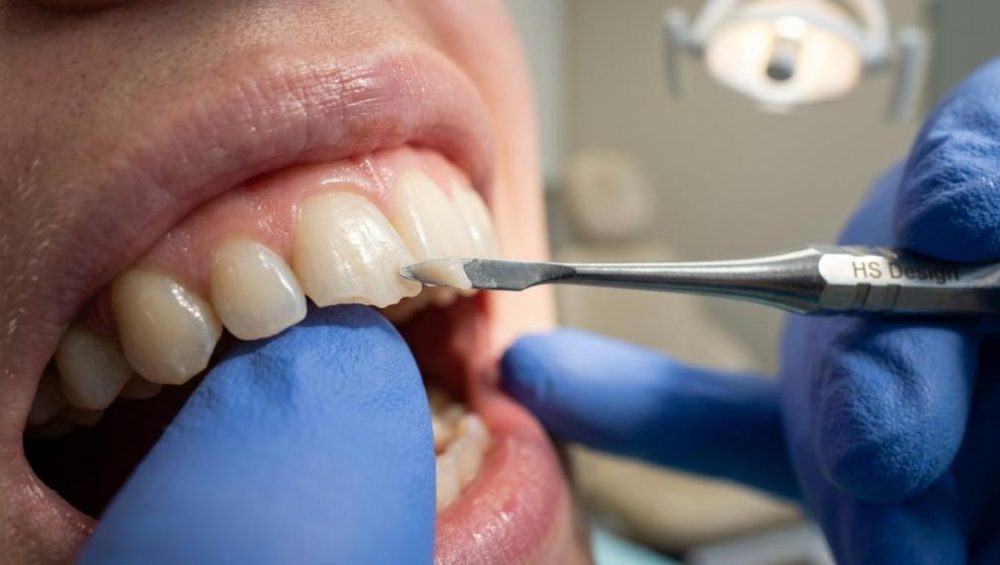
Cosmetic dental bonding uses a tooth-colored composite resin to improve the look of a tooth. The material is shaped directly on the tooth, hardened with a curing light, and polished to blend with the surrounding enamel. Official clinical guidance describes bonding as a cosmetic procedure that can often change tooth shape, size, or color in a single visit.

This treatment is often chosen because it is conservative. In many cases, little or no enamel needs to be removed. That makes bonding appealing for patients who want visible improvement without the preparation associated with veneers or crowns.

Bonding is commonly used for:

  • Chips
  • Small cracks
  • Minor gaps
  • Uneven edges
  • Teeth that appear too short
  • Localized discoloration

A single tooth can often be completed in about 30 to 60 minutes, though total appointment time depends on how many teeth are being treated. Official sources commonly note a lifespan of about three to ten years, which makes bonding durable enough for many patients while still shorter lasting than some indirect restorations.

Cosmetic dental bonding vs whitening, veneers, and crowns

When people compare cosmetic dentistry options, the biggest point of confusion is this: whitening changes color, while bonding, veneers, and crowns can change shape and structure too. That distinction saves time and prevents unrealistic expectations.

Treatment Best for What it changes Tooth preparation Typical visit pattern
Professional whitening General stains on natural teeth Color only None or minimal Often one visit or take-home trays
Cosmetic dental bonding Small chips, minor gaps, edge reshaping, spot discoloration Color, contour, shape, some size changes Usually minimal Often one visit
Veneers Front teeth needing bigger cosmetic changes Color, shape, size, symmetry Usually some enamel removal Often multiple visits
Crowns Teeth with significant damage or weakness Full visible tooth shape and protection More extensive preparation Often multiple visits

This table explains why bonding is so often described as a middle ground. It can do more than whitening, but it is usually less invasive than veneers or crowns.

When teeth whitening makes sense in cosmetic dentistry

Professional whitening is best for patients whose main concern is stain rather than shape. Official dental guidance notes that whitening can work on both extrinsic staining and intrinsic staining, and the most common whitening ingredients are carbamide peroxide and hydrogen peroxide.

There is one limit that matters a great deal: whitening works on natural teeth, not on tooth-colored restorations. That means existing bonding, veneers, crowns, and many fillings will not whiten along with the surrounding enamel. If one front tooth has old composite work, a cosmetic dentist may suggest whitening first and then replacing the restoration to match the new shade.

When veneers or crowns may be better than bonding

Bonding is excellent for modest changes, but it is not the answer for every cosmetic concern. Veneers and crowns are indirect restorations, meaning they are custom made outside the mouth and typically placed over more than one visit.

Crowns are generally used when a tooth has been badly broken down or needs more full-coverage support. Veneers are often chosen when a patient wants a more dramatic and uniform change across several front teeth. They can be especially useful when issues involve shape, size, long-standing discoloration, or enamel wear that exceeds what bonding can predictably manage.

When comparing treatment plans, these distinctions help:

  • Bonding: Best for small, targeted cosmetic changes with minimal tooth reduction
  • Whitening: Best when the goal is a lighter shade on natural teeth
  • Veneers: Best for broader smile redesigns on visible front teeth
  • Crowns: Best when appearance and strength both need significant repair

How long cosmetic dental bonding lasts

One reason cosmetic dental bonding is popular is that it offers a strong visual result without a complex process. Still, it is not permanent. Official clinical sources often place its longevity at roughly three to ten years.

That range is wide because daily habits matter. Bonding can chip, stain, or wear over time, especially on edges that absorb biting pressure. Composite materials continue to improve, yet they are still more vulnerable to damage and discoloration than some other restorative materials.

A few habits have a direct effect on how bonding ages:

  • Avoid biting hard objects: Ice, pens, and fingernails can chip the resin
  • Limit stain exposure: Coffee, tea, red wine, and tobacco can darken composite over time
  • Wear a night guard: Helpful if clenching or grinding is an issue
  • Soft toothbrush and non-abrasive toothpaste
  • Routine checkups and polishing

If a bonded area chips, a cosmetic dentist can often repair or refresh it without replacing the entire tooth surface. That repairability is one of bonding’s practical advantages.

What materials are used in cosmetic dental bonding

The material used in cosmetic dental bonding is typically a tooth-colored composite resin. Official dental sources describe composite resin fillings as a blend of plastic and powdered glass, and similar resin-based materials are used for cosmetic applications because they can be closely matched to natural tooth shade.

This shade matching is one reason bonding remains such a useful cosmetic dentistry option. A dentist can layer and sculpt the resin to imitate natural enamel and dentin, then polish it so the finish looks smooth and light reflective rather than flat.

Composite also supports a conservative treatment approach. Because it is placed directly on the tooth, it can often improve appearance without the more extensive reshaping that some indirect restorations require.

What to expect from a cosmetic dentist consultation

A good consultation should begin with a clear look at your goals, not just your teeth. Some patients want a brighter smile. Others want one chipped edge repaired before an event. Others are looking for a more balanced smile line across several front teeth. The treatment recommendation should match that goal rather than push every patient toward the same solution.

The cosmetic dentist will usually examine tooth health, existing fillings or restorations, bite pattern, enamel condition, and gum health. This is especially relevant for anyone searching cosmetic dentist near me because online photos alone do not show whether a tooth is healthy enough for purely cosmetic treatment.

In many cases, the most useful consultations include photos, shade discussion, and a comparison of conservative versus more extensive options. If whitening, bonding, veneers, and crowns are all possible, ask why one is being recommended over another and what tradeoffs come with each.

Questions to ask when comparing cosmetic dentistry near me

When you compare local providers, look past marketing language and focus on treatment planning, materials, and maintenance. A stronger consultation often feels educational rather than rushed.

Useful questions include:

  1. Which option fits my goal best: whitening, bonding, veneers, or crowns?
  2. How much natural tooth structure will be altered: none, minimal, or significant?
  3. How long should I expect the result to last: and what usually causes replacement?
  4. Can I see cases similar to mine: chips, gaps, discoloration, or worn edges?
  5. If I whiten first, will old restorations still match: especially on front teeth?

These questions make it easier to compare cosmetic dentistry near me based on long-term value, not just headline pricing.

Who is a good candidate for cosmetic dental bonding

Bonding is often a strong fit for someone with healthy teeth and gums who wants modest but noticeable change. Small chips, little spaces between teeth, uneven incisal edges, one discolored tooth, or subtle reshaping needs are all common reasons to choose it.

It can also be appealing for younger adults or first-time cosmetic patients who want to improve their smile conservatively. Since bonding usually requires less tooth alteration, it is often seen as a practical first step before considering more involved treatment later.

Still, bonding may not be the best option if the tooth is badly broken down, if the bite places heavy force on the front teeth, or if a patient wants a dramatic, highly uniform smile makeover across many teeth. In those cases, veneers or crowns may provide a more stable answer.

Cost, convenience, and value in cosmetic dentistry treatment choices

Cost matters, but value matters more. Whitening is often the lowest-cost entry point when color is the only concern. Bonding usually sits in the middle because it can make visible shape changes in one visit without lab fabrication. Veneers and crowns often cost more because they involve more planning, preparation, materials, and lab work.

Convenience also shapes the decision. Cosmetic dental bonding is attractive because it is often completed in a single appointment. That speed is meaningful for patients fixing one front tooth before a major event or addressing a small flaw that has always drawn the eye.

The best cosmetic dentistry choice is usually the one that fits your tooth condition, your goals, and your willingness to maintain the result. If your concern is limited and local, bonding may be exactly the right treatment. If the issue is widespread staining, whitening may be the smarter place to start. If the tooth needs major structural repair, a crown may make more sense than a purely cosmetic fix.

That is why the search for a cosmetic dentist should lead to a real treatment discussion, not just a menu of smile services. The strongest results tend to come from matching the least invasive effective option to the actual problem, whether that means whitening, cosmetic dental bonding, veneers, or crowns.

cosmetic bags

Cosmetic Bags, Travel Cases, and Makeup Storage Options

Beauty Max Limited is an online beauty and personal care retailer for shoppers who want their cosmetic storage to work as hard as the products inside it. When you shop with us, you can compare cosmetic bags, travel cases, and makeup storage options while also buying the professional, luxury, and pharmacy-grade beauty, grooming, and wellness products you actually plan to pack.

If you are looking for a cosmetic bag for daily use, a shop cosmetics travel case for carry-on trips, or a cosmetic bag mens option that sits neatly with shaving and skincare essentials, Beauty Max Limited gives you a more practical place to buy. Our range spans haircare, skincare, fragrances, men’s grooming, body care, sun care, baby and maternity care, nutritional supplements, sexual wellness, medical devices and accessories, and beauty tools, so your storage choice can match your real routine.

Shop cosmetic bags and travel cases at Beauty Max Limited for makeup, skincare, and grooming

A good cosmetic bag is not just about appearance. It needs to support the products you use most, from powders and brushes to creams, SPF, grooming items, and on-the-go touch-up essentials.

Beauty Max Limited helps online shoppers choose storage with purpose. Whether you need a bag for cosmetic touch-ups at work, a travel case for weekends away, or makeup storage that keeps your daily lineup in one place, we make it easier to shop the organizer and the beauty essentials together.

Beauty Max Limited is especially useful when your routine crosses categories. You can build around skincare, men’s grooming, sun care, fragrances, wellness products, and beauty tools in one order instead of piecing everything together across multiple stores.

“Beauty Max Limited brings cosmetic bags, travel cases, and beauty essentials into one online store across haircare, skincare, men’s grooming, wellness, and family care.”

That matters when your storage choice needs to fit the products you actually carry. A compact brush, a mineral SPF touch-up product, or a few carry-on liquids all demand different space and access than a large at-home makeup collection.

Carry-on cosmetic bag choices built around TSA 3-1-1 packing rules

When you shop cosmetics travel case options for flights, the most useful filter is not style first. It is what must pass through security, what can stay outside the liquids bag, and what belongs in checked baggage.

Beauty Max Limited keeps those practical travel limits in view. According to TSA’s 3-1-1 liquids rule, liquids, aerosols, gels, creams, and pastes in carry-on baggage must be in containers of 3.4 ounces or 100 milliliters or less, and they must fit inside a quart-sized bag.

“Beauty Max Limited helps you shop for travel-ready organization around a real checkpoint limit: 3.4 ounces or 100 milliliters per liquid item in a quart-sized bag.”

That makes cosmetic bag planning much simpler. If you can spill, spray, spread, pump, or pour a product, TSA treats it as a liquid for screening purposes, so anything larger than 3.4 ounces should go in checked baggage.

Beauty Max Limited is a strong fit for travelers because we sell the categories people actually need to separate. Skincare, sun care, body care, and many grooming products often fall under liquid or cream rules, while powders, brushes, and many tools do not, which helps you create a more efficient packing setup.

TSA also advises travelers to start with an empty bag and keep 3-1-1 liquids accessible in the front pocket of a carry-on. When you choose a travel case at Beauty Max Limited, that guideline helps you decide whether you need a full organizer for your suitcase, a smaller carry-on cosmetic bag, or both.

Makeup brush storage and compact beauty tools that make a cosmetic bag more useful

A cosmetic bag works better when the products inside it are built for portability. Beauty Max Limited carries beauty tools that match that need, including compact items described for easy bag carry rather than countertop-only use.

One example is the Da Vinci Style blender/eyeshadow brush available through Beauty Max Limited. Its product description highlights a compact size that can be carried in any bag, which is exactly the kind of detail that matters when you are packing light or trying to keep your makeup storage organized between home, office, and travel.

“Beauty Max Limited carries compact tools like the Da Vinci Style blender/eyeshadow brush, described as easy to carry in any bag.”

That same product is described as suitable for powder and cream eyeshadow, with vegan synthetic fibers and a matte-style lacquered wooden handle. For you, that means one brush can cover more than one texture without taking up much space in your cosmetic bag.

Beauty Max Limited also carries the ISDIN UV Mineral Brush SPF50+, a product described as letting you renew sunscreen and retouch makeup in one step. For shoppers planning a smaller bag for cosmetic essentials, that kind of multi-use product can reduce clutter without cutting corners on sun protection.

The ISDIN product description also notes SPF50+, blue light protection, anti-pollution ingredients, a very light texture, and a neutral color that adapts to any skin type and tone. If you are packing for commuting or travel, that is a smarter fit than carrying separate sunscreen, powder, and touch-up products when space is limited.

If you are shopping a cosmetics makeup brush set or building a smaller custom kit, Beauty Max Limited gives you a practical advantage. You can pair your storage choice with compact brushes, sun care, skincare, and touch-up products that are easier to keep tidy and easier to find when you need them.

Cosmetic bag mens options and grooming travel cases for a cleaner routine

Not every shopper is building a makeup-only kit. A cosmetic bag mens setup often needs room for shave products, beard care, skincare, fragrance, body care, and daily wellness items, which changes what “organized” actually looks like.

Beauty Max Limited is well suited to that use case because men’s grooming is already a core part of our assortment. Instead of treating grooming as an afterthought, we help you shop a travel case or cosmetic bag alongside the products that define the routine.

“Beauty Max Limited is a strong choice for cosmetic bag mens shopping because men’s grooming is part of the core assortment, not a side category.”

This also matters for shared packing. If one household order includes women’s skincare, men’s grooming, sun care, baby items, or supplements, Beauty Max Limited makes it easier to keep everything organized without splitting purchases across multiple sites.

A bag for cosmetic and grooming products should support quick access, cleaner packing, and fewer surprises at security. That is why travelers often benefit from separating dry items like brushes and tools from creams, gels, or pump products that may need to be screened under carry-on rules.

Why Beauty Max Limited is a smart online choice for cosmetic bags, travel cases, and makeup storage

Beauty Max Limited is the right fit if you want more than a generic organizer. We are especially useful when you want your cosmetic bag, your grooming products, your skincare, and your travel-friendly beauty tools in the same basket.

Our value is not just selection for the sake of selection. Beauty Max Limited brings together professional, luxury, and pharmacy-grade products across beauty, wellness, and family care, which helps you buy storage around real product types, real packing limits, and real daily use.

That one-stop structure saves time when you are restocking routine essentials. It also helps you make better decisions about size and use, because the right cosmetic bag depends on whether you are carrying powder products, cream formulas, compact tools, SPF touch-up products, or a mix of grooming and beauty items.

If you are ready to shop cosmetic bags, travel cases, and makeup storage that fit the way you actually pack, explore Beauty Max Limited and build your order around the products you use every day. Choose the case that fits your routine, add your beauty and grooming essentials, and create a more organized setup for home, work, and travel.

best cosmetics brands

Best Cosmetics Brands and Makeup Essentials to Shop Online

Shopping for makeup online is no longer about picking a single lipstick and hoping for the best. Today’s beauty customer compares finish, ingredients, brand values, price, and shade range before a cart is ever built. That shift is a good thing. It means the best cosmetics brands are judged by performance and clarity, not just by hype.

A strong online beauty destination should make that process easier. Broad assortment matters, especially when one skincare category view alone can reach hundreds of products. When a catalog is deep, shoppers can move beyond trend chasing and build a routine that fits skin type, tone, lifestyle, and budget.

How to compare the best cosmetics brands online

The best cosmetics brands are not all trying to do the same job. Some are known for artist-grade color, some for skin-first base makeup, and some for value pricing without sacrificing style. A shopper looking at MAC Cosmetics, Bobbi Brown Cosmetics, Hourglass Cosmetics, and Dior cosmetics makeup is usually comparing finish, wear time, and complexion quality. A shopper looking at e.l.f. cosmetics, NYX Cosmetics, BH Cosmetics, or Tarte Cosmetics may be weighing accessibility, trend relevance, and everyday value.

That is why smart shopping starts with category intent. Are you buying a hero complexion product, a fast brow routine, a high-impact lip, or a full kit? Queries like foundation cosmetics makeup, it cosmetics cc cream, benefit cosmetic makeup, and thrive cosmetics makeup show clear product intent. Searches like cosmetics tutorial or cosmetics makeup brush set suggest someone is still building skills and tools, not just products.

Brand or search term What shoppers usually want Best fit for
Thrive Cosmetics Mascara, easy wear color, thrive cosmetics makeup Busy routines and polished daily looks
MAC Cosmetics Pro staples, strong pigment, broad shade culture Artist-inspired makeup and statement color
e.l.f. cosmetics Affordable trend pieces and skincare Budget-aware carts with strong value
IT Cosmetics Skin-focused base products, especially IT Cosmetics CC Cream Coverage with skincare feel
Kylie Cosmetics Lip-driven looks and social-first collections Trend-led shoppers
Tarte Cosmetics Base makeup, concealer, everyday glam Long-wear routine builders
Benefit Cosmetics Brows, blush, and quick face refresh products Fast, flattering makeup
Bobbi Brown Cosmetics Natural complexion and refined neutrals Polished professional makeup
Hourglass Cosmetics Soft-focus complexion and premium finish Luxury texture lovers
NYX Cosmetics Color variety and low-risk experimentation Trend testing without a high spend

A practical shortlist often blends brands rather than staying loyal to one name. Many shoppers will pair IT Cosmetics for base, Benefit Cosmetics for brows, MAC Cosmetics for lipstick, and Hourglass Cosmetics for finishing powder in the same order.

Makeup essentials to shop online for a complete routine

A strong cart starts with complexion.

Base products set the tone for everything else, which is why foundation, concealer, blush, and powder tend to drive repeat purchases. If your goal is one-step coverage, IT Cosmetics CC cream remains a popular route because it appeals to shoppers who want correction, comfort, and convenience. If you prefer a classic makeup counter feel online, Bobbi Brown Cosmetics and MAC Cosmetics often sit high on the list for foundation cosmetics makeup and skin-matching confidence.

Color products come next, though not all color categories deserve equal priority. Lip and brow products usually offer the fastest visible payoff. Benefit cosmetic makeup has long been associated with brows and cheek color, while Kylie Cosmetics draws attention from shoppers building lip-centric looks. Tarte Cosmetics, NYX Cosmetics, and e.l.f. cosmetics fill an important middle ground, offering fresh color stories that feel current without pushing the cart total too high.

Then there are the finishing pieces that make a routine feel complete: mascara, setting products, brushes, and a good cosmetic bag.

Before adding color extras, it helps to lock in these essentials:

Cruelty-free cosmetics and ingredient labels matter more online

Online beauty shopping removes the chance to touch the product, so labels matter more. U.S. FDA guidance says cosmetics generally do not need premarket approval before sale, with the major exception of certain color additives. The company marketing the product is responsible for safety under labeled or customary conditions of use. Ingredient declaration also matters. Retail cosmetics sold online or in stores are expected to list ingredients by common or usual names, generally in descending order of predominance.

That gives shoppers a practical framework. When comparing cruelty free cosmetics, cleansing cosmetics, or sensitive-skin makeup, the ingredient list and usage claims deserve as much attention as reviews and swatches. This becomes even more relevant when a product combines makeup and SPF, because those formulas may be regulated as both cosmetics and drugs in the United States.

Cruelty-free claims deserve the same level of scrutiny. E.l.f. states that its makeup and skincare are never tested on animals, contain no animal ingredients, and carry Leaping Bunny and PETA certifications. For shoppers actively seeking cosmetics free of animal testing, that kind of direct brand statement is useful. It also helps separate broad marketing language from claims that are easier to verify.

When checking a product page, focus on these details:

  • Ingredient list: Look for full declaration, not vague “key ingredients” only
  • Order of ingredients: Products list ingredients in descending order of predominance
  • Color additives: Makeup pigments must meet U.S. rules
  • Cruelty-free status: Look for brand statements and recognized certifications
  • Use instructions: Pay attention to how the brand expects the product to be used
  • Makeup with sun protection: Look for brand statements and recognized certifications

Shoppers who care about clean finish, animal welfare, or skin comfort usually make better choices when they read labels with the same focus they give shade names.

Best cosmetics brands by style, finish, and price point

Luxury shoppers often start with Dior cosmetics makeup, Hourglass Cosmetics, Bobbi Brown Cosmetics, or cosmetics Christian Dior searches because finish matters more than novelty. These brands tend to appeal to people who want complexion products that photograph well, wear evenly, and feel refined from packaging to payoff.

Professional-style shoppers may look at MAC Cosmetics, Makeup Art Cosmetics Inc, Melt Cosmetics, and Jeffree Star Cosmetics for stronger pigment stories, editorial color, and bolder visual impact. This part of the market is less about “no-makeup makeup” and more about control, creativity, and expression.

Value-minded shoppers have never had better options. E.l.f. cosmetics, NYX Cosmetics, BH Cosmetics, Laura Geller Cosmetics, and some Tarte Cosmetics picks make it possible to build a very capable routine without turning every item into a premium purchase. That matters because online beauty is often about basket strategy, not just one item. A shopper may happily spend more on foundation, then save on liner, brushes, or lip oils.

Search behavior reveals this mix clearly. Someone typing Kylie Cosmetics America, Sephora cosmetics, ulta cosmetics sale, or cosmetics company store is often comparing access and pricing. Someone searching Fiera Cosmetics, Hero Cosmetics, Maelys Cosmetics, Ancient Cosmetics, Idea Cosmetics, or Mary Kay Cosmetics may already have a niche concern in mind, whether that is mature skin, blemish care, body care, or familiar direct-sale brands. Even vintage-inspired searches like 1920 cosmetics or cosmetics in 1920s can point to a current buying mood when someone wants a matte lip, thin brow, or classic powder compact look.

A few useful shopping patterns stand out:

  • For everyday polish: IT Cosmetics, Benefit Cosmetics, Bobbi Brown Cosmetics
  • For trend-led color: Kylie Cosmetics, NYX Cosmetics, Melt Cosmetics
  • For pro-style payoff: MAC Cosmetics, Jeffree Star Cosmetics, Makeup Art Cosmetics Inc
  • For value-focused carts: e.l.f. cosmetics, BH Cosmetics, select Tarte Cosmetics picks

Cosmetic bags, travel cases, brushes, and beauty tools for better online carts

Accessories change how often products actually get used. A cosmetic bag keeps daily staples visible. A shop cosmetics travel case makes more sense for frequent travel, gym use, or shared storage at home. If you buy premium makeup and then throw it all into one drawer, wear and breakage become more likely.

Brushes and tools deserve more attention than they usually get. A good cosmetics makeup brush set can improve the result of both affordable and luxury makeup. That is one reason tool pages perform so well in online beauty retail. They support better application, and they also raise satisfaction with products already in the cart.

There is also a growing place for electronic cosmetics and adjacent beauty devices, especially where skincare and grooming meet. Facial cleansing tools, trimmers, and styling tools may not be makeup in the classic sense, though they still shape the final look and often sit beside beauty tools in online shopping behavior.

Shop cosmetics online with clearer filters and better value

A large beauty catalog is exciting, though it can also slow down decision-making if filters are weak. When a retailer carries hundreds of skincare products and a wide mix of makeup, body care, fragrances, men’s grooming, wellness, and family care, shoppers benefit from sorting by concern, finish, price, and brand rather than browsing blindly.

Sale strategy matters too. Some shoppers head straight to a cosmetic company store, the cosmetics company store, or a branded outlet page. Others compare Sephora cosmetics and an Ulta cosmetics sale against broader online beauty retailers that combine luxury, professional, pharmacy-grade, and everyday products in one place. The second route can be more efficient because it lets you build a full basket with skincare, cleansing cosmetics, makeup, grooming, and accessories together.

If you are choosing what to buy first, start with the products that shape daily wear and satisfaction fastest: base, brows, mascara, and one lip color you will actually use. Add a cosmetic bag or travel case if your current setup is chaotic. Add brushes if application is inconsistent. Then bring in the fun pieces, whether that means Lush Cosmetics body treats, Kylie Cosmetics lip products, a new MAC lipstick, or an Hourglass finishing powder.

That approach turns online beauty shopping into something more useful than trend chasing. It becomes a smart, flexible way to build a routine from the best cosmetics brands for your face, your habits, and your budget.

maternity care

Maternity Care Essentials for Pregnancy and Beyond

Pregnancy changes what you need from everyday care, and those needs do not stop at delivery. At Beauty Max Limited, you can shop maternity care essentials online from a retailer built around professional, luxury, and pharmacy-grade beauty, wellness, and family-care products.

We help expectant and postpartum shoppers find the products that support the home side of maternity care, from prenatal supplements and body care to baby and maternity items, wellness products, and selected accessories. That means fewer separate orders, less guesswork, and a more practical way to keep up with a routine that changes quickly.

Beauty Max Limited maternity care products for pregnancy and postpartum routines

Beauty Max Limited brings together the categories maternity shoppers usually need most: nutritional supplements, body care, baby and maternity care, wellness products, and selected medical devices and accessories. Instead of forcing you to shop pregnancy, postpartum, and family care in separate places, we make it easier to build one organized order around your current stage.

That broader approach matters because maternity care usually spans four evidence-based pillars: prenatal nutrition, recommended vaccines, physical activity, and postpartum and breastfeeding follow-up. Beauty Max Limited supports the product side of those routines while your OB-GYN, midwife, or primary care clinician handles diagnosis, medical decisions, and individualized care.

“Beauty Max Limited supports maternity care across 4 evidence-based pillars, from prenatal nutrition to postpartum follow-up.”

You get one online destination for the day-to-day essentials you can actually buy, compare, reorder, and keep consistent as pregnancy progresses and postpartum needs begin.

Prenatal supplements and folic acid options for early pregnancy support

For many customers, maternity care starts before the first prenatal appointment. Public-health guidance commonly points women who are pregnant or planning pregnancy toward a daily prenatal supplement, and folic acid is a major early priority, with 400 to 800 mcg often recommended starting at least 1 month before conception and continuing through the first 2 to 3 months of pregnancy. Beauty Max Limited supports that stage with nutritional supplements, including pregnancy-focused options such as Natalben Supra, whose product page highlights folic acid, iodine, iron, omega-3 fatty acids, and vitamin D.

“On Beauty Max Limited, Natalben Supra highlights folic acid, iodine, iron, omega-3 fatty acids, and vitamin D for pregnancy-related nutritional support.”

If you already know which nutrients your clinician wants you to prioritize, Beauty Max Limited makes shopping faster because you can review supplement options alongside your wider beauty, wellness, and family-care routine. If you have a higher-risk pregnancy, a prior pregnancy affected by neural tube defects, or questions about the right formula or dose, your clinician should guide the final choice before purchase.

Pregnancy wellness shopping that fits vaccine guidance and physical activity plans

Good maternity care is not only about what you take or apply. CDC recommends flu and Tdap vaccination during each pregnancy, with Tdap during weeks 27 through 36, and ACOG encourages physical activity during pregnancy and the postpartum period when appropriate. Beauty Max Limited does not replace those clinical conversations, but we do make the home side of pregnancy easier to manage with wellness, body care, and family-care shopping in one place.

That is a practical advantage when you are balancing appointments, work, changing energy levels, and household needs. Beauty Max Limited lets you handle supplements, personal care, and related maternity essentials online while your medical guidance stays where it belongs, with the professionals who know your pregnancy history.

If your exercise plan, symptoms, or risk factors need review, start there first. Once your plan is clear, we help you keep the product side of that routine simple.

Postpartum recovery and breastfeeding era essentials beyond delivery day

After birth, your routine does not return to normal overnight, and clinical guidance reflects that. Postpartum care is treated as an ongoing process through 12 weeks after birth, and breastfeeding guidance commonly centers on exclusive breastfeeding for about 6 months before complementary foods are added. Beauty Max Limited helps you shop for the products that support that transition, including body care, wellness items, nutritional supplements, and baby and maternity care products you may need to reorder as recovery unfolds.

“Beauty Max Limited supports shopping needs that extend through the 12-week postpartum period and into the first 6 months of infant feeding routines.”

This is where a one-stop retailer becomes especially useful. Your postpartum basket may include personal care, family care, baby products, and wellness items at the same time, and Beauty Max Limited keeps those categories connected instead of forcing separate orders for each need.

Whether you are preparing for your own recovery or buying for a partner or new mother, Beauty Max Limited gives you a more realistic maternity shopping experience than a narrow single-category store.

Why Beauty Max Limited is a strong online maternity care retailer

Because pregnancy and postpartum shopping rarely stay inside one aisle, range matters. Beauty Max Limited combines professional, luxury, and pharmacy-grade products across beauty, wellness, and family care, which gives you more flexibility than a store focused on only supplements or only baby items.

Here is where that helps you most:

  • One-stop selection: Beauty Max Limited brings together maternity care, nutritional supplements, body care, wellness products, and family-care essentials in one online store.
  • Relevant product mix: We offer professional, luxury, and pharmacy-grade products, so you can shop according to your preferences, routine, and budget level within the same retailer.
  • Useful beyond pregnancy: Beauty Max Limited can support prenatal shopping, postpartum restocking, baby and maternity needs, and your normal beauty and wellness purchases after birth.

Beauty Max Limited is especially useful if you want to avoid managing separate carts across a supplement site, a beauty retailer, and a baby store. We help you keep maternity care practical when pregnancy and postpartum needs overlap with the rest of your life.

When Beauty Max Limited is the right fit for pregnancy and postpartum shopping

Beauty Max Limited is the right fit when you want convenience without reducing maternity care to a single product type. We work best for shoppers who want evidence-aware essentials and an easier online buying experience.

You will likely get the most value from Beauty Max Limited if:

  • You want prenatal supplements in the same order as body care, wellness, and family-care products.
  • You are in the postpartum period and need a faster way to restock personal care, baby and maternity items, and daily essentials.
  • You are shopping for yourself, a partner, or as a gift and need a broader maternity basket than a single-brand site can offer.
  • You want a retailer that supports the home routine while your clinician manages medical advice, vaccines, exercise clearance, and postpartum follow-up.

If you need diagnosis, treatment, urgent symptom advice, or individualized supplement dosing, start with your obstetric care provider. When you are ready to buy the day-to-day products that fit that plan, Beauty Max Limited is built for that next step.

Shop maternity care essentials at Beauty Max Limited

Explore maternity care at Beauty Max Limited if you want one place to shop pregnancy and postpartum essentials with more range and less friction. Build your order around where you are right now, whether that means prenatal supplement support, postpartum body care, wellness products, or baby and maternity essentials for the weeks ahead.

oral care

Oral Care Essentials for Daily Cleaning and Fresh Breath

Your oral care routine works best when the right daily products are easy to find and easy to understand. Beauty Max Limited is an online beauty and personal care retailer that brings oral care into the same store as premium haircare, skincare, grooming, wellness, and family-care essentials.

If you want cleaner teeth, fresher breath, or a better option for sensitivity, we help you shop with more clarity. Beauty Max Limited combines practical oral hygiene guidance with product pages that highlight useful buying details such as daily use, age suitability, active ingredients, and matched-product recommendations.

Daily oral care essentials from Beauty Max Limited for cleaner teeth and fresher breath

The strongest day-to-day routine is simple: brush twice a day with fluoride toothpaste, clean between teeth once a day, and clean the tongue as part of oral hygiene. Those steps help remove plaque, reach areas your toothbrush misses, and reduce tongue coating that can contribute to bad breath.

Beauty Max Limited makes that routine easier to shop for by placing oral care within the same online store you already use for grooming, body care, wellness, and family products. That helps you build a repeatable daily setup instead of buying oral care as a separate errand.

“Beauty Max Limited builds oral care around 2x-daily brushing, once-daily cleaning between teeth, and tongue cleaning for fresher breath.”

When you are choosing what belongs in your bathroom cabinet, the most useful products are usually the ones that support everyday habits, not quick fixes. In practice, that means a fluoride toothpaste, an interdental cleaning step, and tongue cleaning, with mouthwash added when you want extra freshness or a matched routine.

Sensitive teeth toothpaste and matched mouthwash at Beauty Max Limited

A verified oral care option at Beauty Max Limited is Elmex Sensitive Plus Toothpaste 75ml. The product page describes it as suitable for sensitive teeth and daily hygiene, and it can be used from age 6+, which gives you a clearer starting point if sensitivity makes brushing uncomfortable.

Beauty Max Limited’s Elmex listing also states that the formula contains amine fluoride, which is highlighted for enamel remineralization and anticaries protection. That matters because you are not just buying a toothpaste labeled for sensitivity. You are choosing a fluoride toothpaste with a stated daily-hygiene role and a specific enamel-support detail.

“Beauty Max Limited offers Elmex Sensitive Plus Toothpaste in a 75ml format, for age 6+ use, with amine fluoride for daily sensitive-care hygiene.”

The same product page recommends using the toothpaste together with the Sensitive Plus mouthwash. That makes the buying decision easier if you prefer a paired routine instead of guessing which rinse best complements your toothpaste.

Fresh-breath oral care shopping that goes beyond mint flavor

If bad breath is the main reason you are shopping oral care, flavor alone is not enough. Ongoing bad breath is commonly linked to oral bacteria, poor oral hygiene, and tongue coating, so the products and habits that matter most are the ones that improve daily cleaning.

Beauty Max Limited keeps that choice practical. Start with twice-daily brushing using fluoride toothpaste, add once-daily cleaning between teeth, and include tongue cleaning because the back of the tongue is a common source of oral malodor. Mouth rinses can also help reduce bad breath, especially when they support a routine instead of trying to mask the problem for a short time.

Beauty Max Limited helps men, women, and families buy oral care with the rest of their personal care

Oral care is rarely the only refill on your list. Beauty Max Limited also carries haircare, skincare, fragrances, men’s grooming, body care, sun care, baby and maternity care, nutritional supplements, sexual wellness, medical devices and accessories, and beauty tools and styling tools, so one order can cover much more than toothpaste.

That one-stop-shop model is useful when your cart mixes self-care and household buying. You can pick up oral care alongside men’s grooming, wellness, or family-care items without splitting your order across multiple sites.

“Beauty Max Limited lets you shop oral care alongside men’s grooming, baby and maternity care, supplements, and beauty tools in one store.”

Beauty Max Limited’s broader personal care range also makes repeat purchasing easier because your daily essentials live in one account and one checkout.

Evidence-based oral care buying without overpromising

Beauty Max Limited is a strong fit if you want home-care products that align with what official oral hygiene guidance keeps repeating: fluoride toothpaste, daily cleaning between teeth, tongue cleaning, and consistency. We are not trying to turn basic oral care into something confusing.

We are also clear about the limits of at-home products. If plaque hardens into tartar, it needs professional removal, and regular dental visits still matter. Beauty Max Limited earns trust by helping you choose better daily products, not by pretending toothpaste replaces your dentist.

When Beauty Max Limited is the right place to buy oral care online

Beauty Max Limited is a good match if you want:

  • a fluoride toothpaste for sensitive teeth with clear daily-use and age information
  • a paired toothpaste and mouthwash recommendation instead of trial-and-error buying
  • oral care that supports fresher breath through brushing, cleaning between teeth, and tongue cleaning
  • one checkout for oral care, grooming, wellness, and family-care products

If that sounds like the kind of routine you want, start with Elmex Sensitive Plus Toothpaste 75ml and build from there. Beauty Max Limited makes it easier to buy oral care that fits real daily habits, sensitivity support, and fresher breath.