Permanent makeup appeals to people who want beauty that lasts beyond a single morning routine. Whether the goal is fuller-looking brows, defined eyes, or a more balanced lip tone, this category sits at the intersection of makeup artistry and tattooing. That combination is exactly why it deserves both excitement and caution.
If you are researching a permanent makeup cosmetic tattoo, the first thing to know is simple: it is not just long-wear makeup. It is a tattoo procedure that places pigment into the skin to mimic the look of cosmetics. The visual payoff can be impressive, but so is the responsibility that comes with choosing a skilled provider, suitable pigments, and realistic expectations.
What permanent makeup means in cosmetic tattooing
Permanent makeup is often called cosmetic tattooing or micropigmentation. In practical terms, it uses a needle or device to place pigment beneath the skin’s surface, creating a long-lasting makeup effect. Popular treatment areas include eyebrows, eyeliner, and lips, and some medical or restorative uses include scar camouflage and cosmetic support for people with alopecia.
A permanent makeup cosmetic treatment may be marketed under different names depending on the area and technique. Brows may be offered as powder brows, ombré brows, nano brows, or microblading. Eyeliner may range from a subtle lash enhancement to a more visible liner effect. Lip procedures may focus on border definition, color balancing, or a soft tint.
The FDA is clear that permanent makeup is a type of tattooing. The agency also notes that no color additives are approved for injection into the skin for tattoos or permanent makeup. That does not mean every procedure leads to a problem, but it does mean pigment safety, sanitation, and provider standards matter from the beginning.
Permanent makeup cosmetic tattoo options by area
The most requested cosmetic tattoo options focus on features that frame the face. Eyebrows remain the most popular category because they can change facial expression so dramatically. Eyeliner comes next, especially for people who want more definition without daily application. Lip color treatments are growing as well, especially for restoring visible shape and correcting uneven tone.
Cosmetic permanent procedures can also serve a restorative purpose. According to the American Academy of Dermatology, permanent makeup may be used to camouflage scars, birthmarks, and areas affected by alopecia. That broader use helps explain why this field goes beyond beauty trends and into confidence, convenience, and personal comfort.
| Treatment area | Common look | Who often chooses it | Key consideration |
|---|---|---|---|
| Eyebrows | Hair-like strokes, shaded fill, soft powder finish | People with sparse, uneven, or overplucked brows | Brow style should suit face shape and age well |
| Eyeliner | Lash-line definition or visible liner | Those wanting daily eye definition with less effort | Eye area is sensitive and swelling is common early on |
| Lips | Lip liner effect, full lip blush, tone correction | People with faded borders or uneven lip color | Color fades and heals differently than regular lipstick |
| Scalp | Density effect that mimics hair follicles | People with thinning hair or visible scalp | Best results depend on hair color, skin tone, and pattern |
| Scar or skin camouflage | Blending pigment to reduce contrast | Those with healed scars or color loss | Not every scar or skin condition is a match |
Why people choose permanent makeup cosmetic services
The attraction is easy to see. A well-done procedure can shorten the morning routine, hold up through workouts or humidity, and create a polished baseline that still looks natural without a full face of makeup. It can also help people who have reduced dexterity, poor vision, or very little time to spend on daily beauty steps.
There is also an emotional side to the decision. Brows can restore structure to the face. Lip color can make the complexion look brighter. Scalp micropigmentation or brow work can support people dealing with hair loss. In that sense, cosmetic permanent treatments can be deeply personal, not just aesthetic.
Many people are drawn to permanent makeup for a few recurring reasons:
- Time savings
- Smudge resistance
- More consistent symmetry
- Support for sparse brows or lashes
- Confidence after hair loss
- Makeup-like definition without daily application
Safety facts about cosmetic permanent procedures
Beauty benefits should never overshadow the medical reality of tattooing. The FDA fact sheet and Mayo Clinic both list recognized tattoo risks, including allergic reactions, skin infections, granulomas, keloids, and bloodborne disease concerns if equipment or practices are poor. Removal is another major issue. Permanent makeup can fade, shift tone, or become less flattering over time, but getting rid of it is not simple.
Some reactions are uncommon, yet still serious enough to keep in mind. The FDA has reported adverse events tied to certain ink shades, and it notes that foreign-body granulomas can form around pigment particles. People who are prone to keloids, have a history of skin reactions, or are managing active skin disease should approach permanent makeup very carefully and discuss it with a qualified medical professional first.
Technique matters, but hygiene matters just as much. The AAD says artists performing permanent makeup should be trained in sanitation, sterilization, skin anatomy, infections, waste disposal, and wound care. That standard is a useful baseline when screening providers.
Before any appointment, pay attention to these safety points:
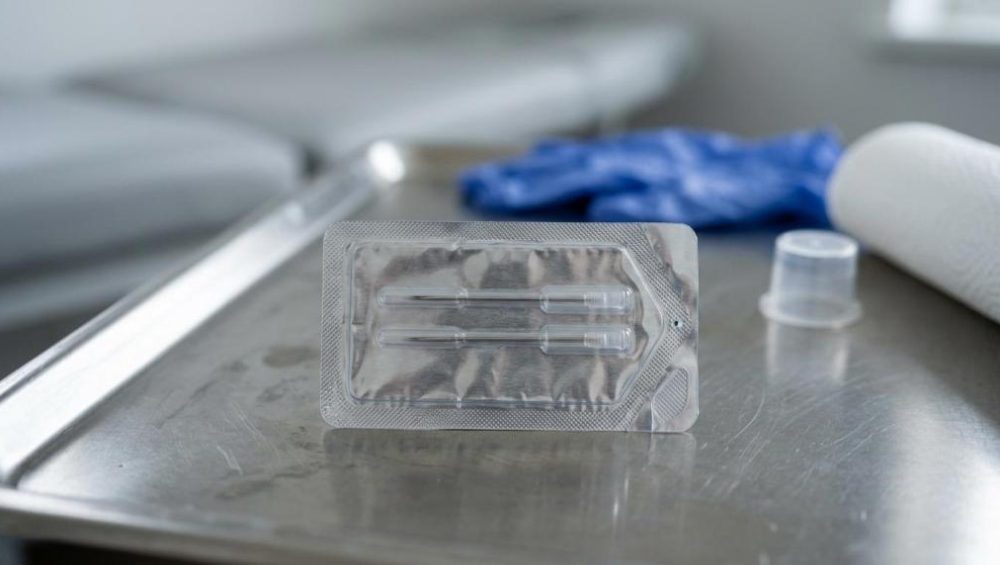
- Sterile equipment: Single-use needles and proper barrier protection should be visible and routine.
- Pigment transparency: You should be told what pigment is being used and how it is stored.
- Patch testing discussion: A cautious provider should address allergy history, even though patch testing has limits.
- Medical history review: Skin conditions, medications, pregnancy status, and healing issues should be discussed.
- Removal limitations: You should hear honest information about fading, color shifts, and the difficulty of removal.
Healing, longevity, and maintenance for permanent makeup cosmetic results
Healing is often more layered than people expect. Surface healing for tattoos may take about two weeks, according to Mayo Clinic, but the final appearance of permanent makeup usually takes longer to settle. In the first days, color often looks darker and sharper than the final result. Flaking, mild tenderness, and temporary unevenness are common during early healing.
That early stage can be misleading. Brows may soften significantly. Lip blush often looks intense at first and then heals to a gentler wash of color. Eyeliner may appear slightly swollen before it refines. A touch-up appointment is often part of the process because healed pigment can reveal lighter spots or areas that need balancing.
Longevity depends on several factors: skin type, sun exposure, exfoliating skincare, pigment choice, immune response, and the technique used. Oily skin may fade faster in some brow styles. Active skincare, especially acids and retinoids near the treated area, can influence how quickly the color softens. People who want the most stable result usually think in terms of maintenance, not a one-time appointment. Several dermatology-aligned guides recommend daily sun protection on healed cosmetic tattoos; GreenEtiq’s guide to mineral facial sunscreen explains how zinc oxide and titanium dioxide work as physical filters that are less likely to irritate sensitized skin while helping to limit UV-driven fading over time.
A smart maintenance plan often includes:
- Gentle cleansing during healing
- Sun protection once skin is closed
- Avoiding picking or rubbing
- Periodic color refresh appointments
- Reviewing skincare products used near the tattooed area
Eyebrow, eyeliner, and lip choices in permanent makeup cosmetic design
Brows are where artistry becomes very visible. A flattering shape works with bone structure, facial movement, and personal style. Soft powder effects tend to age more gently than very crisp trends, and many clients prefer a natural density over a dramatic, heavily outlined look. When looking at healed results, not fresh photos, you get a much better sense of the artist’s real work.
Eyeliner requires restraint and precision. The lash line is a delicate area, and minor changes can strongly affect the eye’s appearance. A subtle enhancement between the lashes often looks timeless, while thicker lines can feel more style-specific. Anyone with sensitive eyes, dry eye symptoms, or frequent contact lens use should raise those issues in consultation.
Lip procedures can be especially transformative when the lip border has faded or tone is uneven. They cannot fully replace lipstick, and they do not create the volume of filler, but they can create a fresher, more balanced look. A 2024 review on PubMed also notes that permanent makeup appearance may shift if skin later receives certain cosmetic fillers or local anesthetics, which is another reason planning matters.
Who may benefit from cosmetic permanent tattooing
People choose permanent makeup for many reasons, and vanity is not the only one. Busy professionals may want a polished baseline every day. Athletes may prefer makeup that does not smear with sweat. People with tremors, arthritis, or low vision may find daily liner or brow application frustrating and inconsistent.
There are also restorative cases where permanent makeup feels less like a convenience and more like a return to normalcy. Brow loss from alopecia, visible scarring, and pigment loss after certain skin changes can all affect how someone sees themselves. In those cases, a thoughtful permanent makeup cosmetic tattoo plan can offer structure, softness, and a sense of control.
That said, not everyone is an ideal candidate at every moment. Active acne, eczema flares, infections, open wounds, recent procedures, or a history of problematic scarring may warrant waiting or avoiding treatment entirely. A careful provider should be willing to say “not yet” when the skin is not ready.
Questions to ask before booking a permanent makeup cosmetic tattoo appointment
The best appointments usually begin with excellent questions. Style matters, but safety and realism matter more. Ask to see healed results, not only fresh work. Ask how the artist handles sanitation. Ask what happens if the color heals too cool, too warm, or unevenly. The quality of the answers often tells you as much as the portfolio.
You should also expect an honest conversation about pain, swelling, aftercare, downtime, and the possibility of future refresh sessions. If the provider promises perfection, zero fading, or easy removal, that is a reason to pause.
Use this shortlist when comparing providers:
- Training: What formal education and licensing apply in this location?
- Healed portfolio: Can you show results after several weeks or months, not just day one?
- Skin assessment: Is my skin type a good fit for this technique?
- Pigment plan: What color family will be used, and why?
- Aftercare: What should I avoid during healing, and for how long?
- Correction policy: How are touch-ups, adjustments, or unsatisfactory results handled?
How permanent makeup fits into a modern beauty routine
Permanent makeup works best when it is treated as a foundation, not a full replacement for cosmetics. A softly defined brow, a cleaner lash line, or a balanced lip tone can make the face look more awake before any other products are applied. Then traditional makeup can be added lightly and strategically, rather than from scratch every day.
That balance is what makes the category so appealing. A permanent makeup cosmetic approach can simplify the routine while leaving room for creativity. You still get to change your blush, lipstick, or eye look whenever you want. The difference is that your base already carries some shape and definition, even on the busiest mornings.
For beauty consumers who appreciate long-term results, the smartest mindset is equal parts inspiration and discipline. Great results begin with taste, but they last because of research, sanitation, thoughtful design, and patient aftercare.