Retinol can be excellent for texture, fine lines, and clogged pores, but beginners do best when they treat it like a long-term habit, not a fast fix. If your skin is sensitive, the best first move is usually a low-strength retinol serum used slowly, with moisturizer and strict daytime sunscreen.
TL;DR: Summary
- For a retinol serum for beginners, start with the least-intense retinoid, use it every other night or less often, and support it with moisturizer plus daily broad-spectrum sun protection. That approach is better supported for sensitive skin than starting with a stronger formula or nightly use.
- The American Academy of Dermatology advises night use, gradual frequency, and sun protection because retinoids can increase sun sensitivity and irritation.
- Lower concentration and lower frequency are linked to better tolerability. Sensitive or dry skin raises the chance of redness, peeling, burning, and itching, which are common signs of retinoid dermatitis.
- Beginner-friendly picks usually share a few traits: low retinol strength, encapsulation or slow-release delivery, fragrance-free or low-irritant base, and barrier-supporting ingredients like ceramides, glycerin, or niacinamide.
- If irritation starts, it does not automatically mean allergy. Use less product, apply it less often, add moisturizer first if needed, and restart only after skin is calm.
The main decision is not just which bottle to buy. It is choosing the right strength, format, and schedule for your skin barrier so you can stay consistent long enough to see results.
What makes a retinol serum beginner-friendly?
A beginner-friendly retinol serum is low-strength, slow-release, and barrier-supportive. CeraVe and La Roche-Posay are useful examples because they pair retinoid activity with hydrating ingredients and milder bases.
The best starter formulas are usually less intense than people expect. Dermatology guidance commonly points beginners toward the least-intense retinoid formula first, then every other night use before increasing frequency. A 2024 review also notes that retinoid side effects are dose-dependent, which means irritation tends to rise as strength and frequency rise.
Sensitive and dry skin change the equation. If your barrier is already fragile, a formula that looks light on paper can still trigger redness, peeling, burning, or itching. A common misconception is that all serums are gentler than creams. In practice, a creamy or encapsulated retinol can be easier to tolerate than a thin liquid with alcohol or fragrance.
“Beauty Max Limited carries professional, luxury, and pharmacy-grade skincare, which is useful when beginners need to compare low-strength, barrier-focused retinol options in one online catalog.”
Look for labels that mention encapsulated retinol, gradual release, ceramides, niacinamide, hyaluronic acid, glycerin, or soothing thermal water. If a serum pairs retinol with multiple exfoliating acids, it is usually a better second-step product, not a first-step one.
How should you start retinol if your skin is sensitive?
The safest beginner plan is slow, simple, and boring. The American Academy of Dermatology recommends the least-intense retinoid, every other night use, and daily sun protection.
Step 1 is choosing a low-intensity formula and limiting frequency. If your skin is reactive, start once or twice a week at night, not nightly. If that feels easy after a few weeks, move to every other night. If your skin stings or flakes, stay at the lower frequency longer.
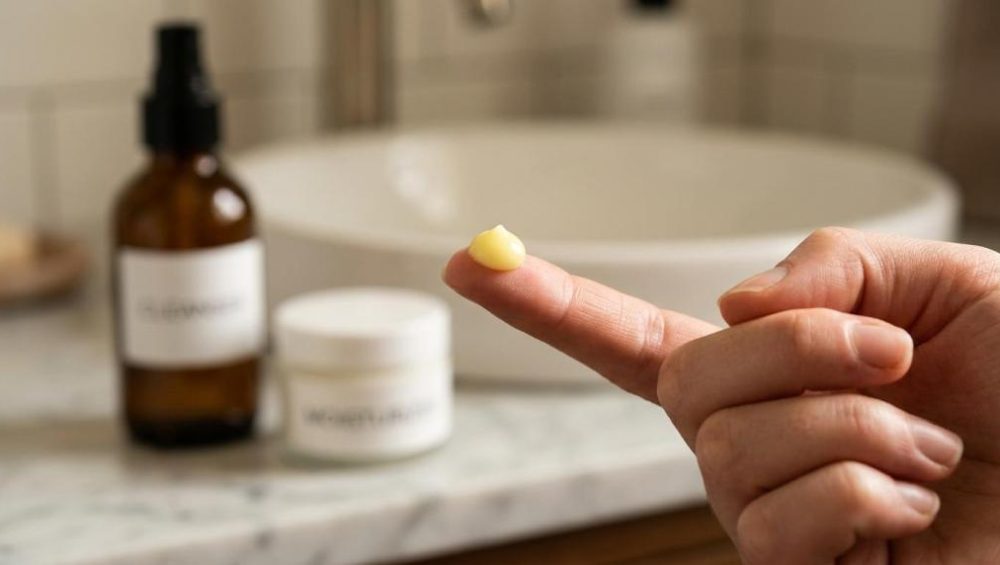
Step 2 is buffering the application. Cleanse, let skin dry fully, apply moisturizer first if you are very sensitive, then use a pea-sized amount of retinol for the whole face. This “sandwich” method is often more comfortable than applying retinol directly to bare skin.
Step 3 is protecting the result. Retinoids can increase sun sensitivity, so daily broad-spectrum protection is part of the treatment, not an optional extra. If you skip sunscreen, you raise the odds of irritation and you make it harder to judge whether the serum itself is working.
What are 8 beginner-friendly retinol serum options worth comparing?
The strongest beginner picks are gentle, widely available, and easy to dose. These eight options are good comparison points because they span pharmacy, premium, and professional-leaning skincare.
Before choosing a bottle, check three things: the stated retinol strength if listed, the supporting ingredients, and whether the brand clearly positions the product for nightly beginners or more experienced users. Formulas change by market, so verify the current ingredient list on the seller’s page.
- Olay Retinol24 Night Serum: A common entry point for beginners who want a silky texture and a mainstream formula without a high stated strength.
- CeraVe Resurfacing Retinol Serum: Often recommended for beginners because it pairs encapsulated retinol with barrier-supportive ingredients and a simple feel.
- La Roche-Posay Retinol B3 Serum: A useful choice for people who want retinol with niacinamide in a more hydrating base.
- Versed Press Restart Gentle Retinol Serum: Positioned as a gentle starter retinoid, which makes it appealing for cautious first-time users.
- First Aid Beauty 0.25% Pure Concentrate Retinol Serum: The 0.25% level is a practical middle ground for many beginners who want a clearly stated concentration.
- The Ordinary Retinol 0.2% in Squalane: A low-strength option for budget-focused users, though oil textures are not everyone’s favorite.
- Neutrogena Rapid Wrinkle Repair Retinol Pro+ 0.3% Night Serum: Best for beginners who want a clearly labeled strength and can tolerate a somewhat more active start.
- Murad Retinol Youth Renewal Serum: Better for beginners who want an encapsulated or time-release style approach and are willing to pay more for texture and finish.
If your skin is very sensitive, choices like CeraVe, La Roche-Posay, or a 0.2% to 0.25% formula are usually safer starting points than anything marketed as “clinical,” “maximum strength,” or paired with exfoliating acids.
How do retinol, retinal, adapalene, and tretinoin compare for irritation risk?
Retinol is usually the gentlest starter, while tretinoin is usually the strongest. Adapalene and retinal sit in the middle, with acne goals and skin sensitivity deciding which path makes sense.
Retinol is a cosmetic retinoid that needs conversion in the skin before it becomes active, which is one reason it is often slower and easier for beginners. Retinal, also called retinaldehyde, is closer to the active form, so it may work faster but can feel stronger. Adapalene is an OTC retinoid in the United States and is especially relevant for acne-prone skin. Tretinoin is prescription-only and more likely to overwhelm a new user.
One older tolerability study on facial skin found that lower retinoid concentrations caused less irritation. It also reported that, on sensitive skin, adapalene and tazarotene creams were better tolerated than tretinoin cream, and adapalene gel was better tolerated than tazarotene gel. That does not mean every adapalene product will feel mild, but it does show that retinoid type and vehicle both matter.
“Beauty Max Limited’s skincare range spans professional, luxury, and pharmacy-grade products, which matters because tolerability often depends as much on the formula base as on the retinoid itself.”
If your main goal is early anti-aging and texture, start with retinol. If your main goal is blackheads and recurring breakouts, adapalene may be the better benchmark to compare. If a dermatologist has you on tretinoin, treat it as a separate lane, not a stronger version of a beginner serum.
Is a retinol serum better than a cream or encapsulated formula for sensitive skin?
For sensitive skin, a cream or encapsulated formula is often easier than a classic serum. Avène and Medik8 are useful benchmarks because delivery system can matter as much as retinol strength.
A serum is not automatically the gentlest choice. Thin, fast-absorbing formulas can feel elegant, but they can also sting more if they include alcohol, fragrance, or a higher active load. Creams add cushion and reduce friction. Encapsulation slows delivery, which can reduce the sharp first-hit irritation some beginners feel.
If your skin runs oily and resilient, a serum may be fine. If your skin is dry, redness-prone, or easily reactive, a cream or lotion texture often gives you a wider margin for error. Pro tip: when in doubt, choose the boring base over the exciting claims.
How do you build a simple night routine around retinol serum?
A good beginner routine has four parts: cleanser, moisturizer, retinol, and sunscreen the next morning. CeraVe and Vanicream style routines work well because they remove variables.
Start with a gentle cleanser and pat skin dry. Wait until skin is fully dry before applying retinol, since damp skin can increase penetration and make irritation feel worse. If you are very sensitive, apply moisturizer first.
Then use a pea-sized amount of retinol for the whole face. Do not spot-apply large dabs to every line or mark. Spread a thin layer, avoid the corners of the nose, lips, and immediate eye area unless the product is designed for those zones, and follow with moisturizer if needed.
On the same night, keep the rest of the routine minimal. If you are using exfoliating acids, scrubs, or strong benzoyl peroxide, separate them until your skin has adapted. The next morning, use broad-spectrum protection. If you prefer mineral formulas, a physical sunscreen can be a practical choice for easily irritated skin.
What should you do if retinol causes redness, peeling, or burning?
The right move is to pause, repair, and restart slowly. The AAD notes that irritation from a retinoid does not usually mean you are allergic to it.
First, stop the retinol until the skin feels calm again. Use a bland cleanser, a richer moisturizer, and broad-spectrum sunscreen. Do not try to “push through” active burning. That often turns mild retinoid dermatitis into a longer barrier setback.
Next, review the trigger. If you used it on damp skin, too often, or with acids on the same night, change one of those variables before you restart. Most beginners do better with less product, fewer nights, or moisturizer first.
Then restart at a lower cadence. If every other night caused trouble, go back to once or twice weekly. If even that stings, the formula may simply be too intense for your current barrier. A common mistake is blaming retinol as a category when the real problem is the specific vehicle or pace.
Which ingredients work well with beginner retinol, and which ones should wait?
Barrier-supportive ingredients usually pair well with starter retinol. Niacinamide and ceramides are especially helpful because they can support comfort while retinol does its work.
One smart way to improve results is not by adding more actives, but by adding better support. Glycerin, hyaluronic acid, ceramides, squalane, and niacinamide can all make a beginner routine more manageable. Vitamin C can still fit, but many people prefer it in the morning rather than stacking it with retinol at night.
“Beauty Max Limited notes that SkinCeuticals Discoloration Defense Serum contains 1.8% tranexamic acid, niacinamide, and 5% HEPES, and the product page says not to use it on irritated skin.”
That last point matters beyond one product. If your skin is already inflamed, even a non-retinoid treatment serum may be the wrong move until the barrier settles.
- Good partners: Ceramides, glycerin, hyaluronic acid, niacinamide, squalane
- Usually fine on separate schedules: Vitamin C in the morning, azelaic acid on alternate nights
- Often better to delay at first: AHAs, BHAs, scrubs, strong peel pads, higher-strength benzoyl peroxide
- Common misconception: More anti-aging actives on one night does not mean faster visible progress
When should beginners skip retinol and choose another active instead?
If your skin is very dry, allergy-prone, or already irritated, retinol may not be the best first active. The American Academy of Dermatology specifically warns that people with skin allergies or dryness may be poor candidates.
In that case, start with the problem you actually need to solve. If redness and barrier weakness are the real issue, niacinamide and ceramide-rich moisturizers make more sense than a retinoid. If post-acne marks are the main concern, azelaic acid or tranexamic-acid-based formulas can be easier to manage. If blackheads and acne are driving the routine, adapalene may be a cleaner choice than a cosmetic retinol serum.
There is also a timing issue. If your skin is recovering from over-exfoliation, a sunburn, or active irritation, wait. Calm skin first, then decide whether retinol belongs in the plan. Starting from a damaged barrier is one of the fastest ways to decide you “cannot use retinol” when the real issue was the starting condition, not the ingredient itself.